
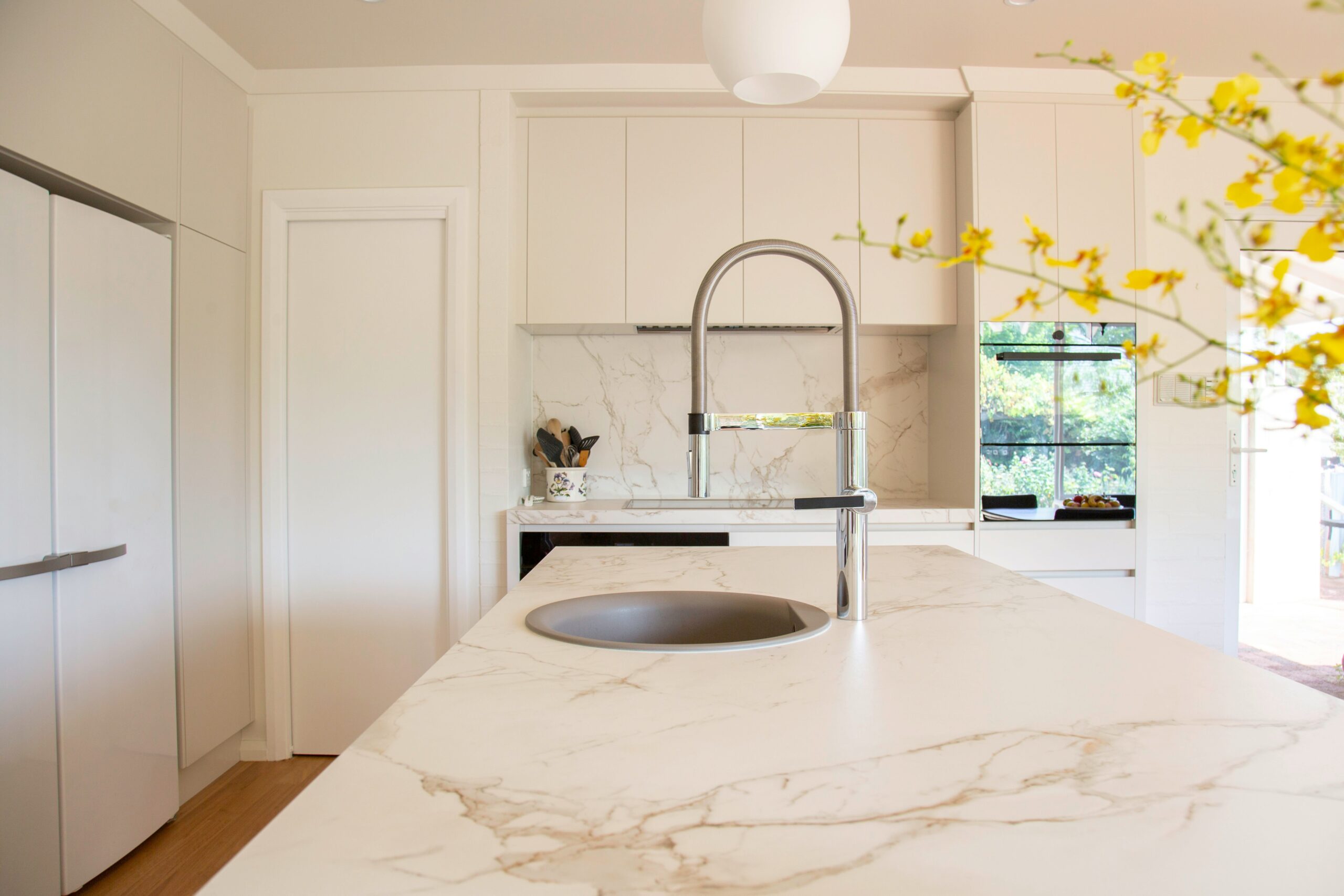
Deciding on new kitchen countertops can feel like a big puzzle, but don’t worry – it doesn’t have to be overwhelming. The “perfect” countertop really boils down to finding a balance between what you like aesthetically, how you plan to use your kitchen, and what your budget allows. There’s no single best option for everyone; it’s all about finding the right fit for your home and lifestyle.
Understanding Your Kitchen’s Needs
Before you even start looking at samples, take a moment to think about how you use your kitchen every day. This isn’t just about cooking; it’s about life.
What’s Your Kitchen’s Purpose?
Is your kitchen a high-traffic zone where meals are prepped for a large family, homework is done, and art projects take place? Or is it a more serene space, primarily used for light cooking and entertaining? Understanding its role helps narrow down your choices. A busy kitchen needs more durable, low-maintenance surfaces, while a less active one might allow for materials that require a bit more care but offer unique beauty.
How Much Wear and Tear?
Consider who lives in your home. Do you have small children who might spill grape juice or draw on surfaces? Pets who jump on counters? Are you an avid home cook who chops directly on surfaces (even if you shouldn’t!) or regularly places hot pans down without a trivet? These habits impact how well certain materials will hold up over time.
Maintenance Expectations
Be honest with yourself about how much effort you’re willing to put into cleaning and maintaining your countertops. Some materials require regular sealing, specialized cleaners, or careful handling to prevent stains and damage. Others are practically bulletproof. If you hate cleaning, opt for something low-fuss.
If you’re considering upgrading your kitchen countertops, you might find inspiration in our related article on various countertop materials and their benefits. This comprehensive guide explores options like granite, quartz, and marble, helping you make an informed decision for your kitchen renovation. For more ideas and visual inspiration, check out our gallery of stunning kitchen designs at Wilson Stone Works Gallery.
Budgeting for Your Countertops
Your budget is a critical factor, and it’s good to have a realistic range in mind before you fall in love with something completely out of reach.
What Influences the Cost?
Several things drive countertop pricing. The material itself is the biggest, but fabrication (cutting and shaping), edge profiles, sink cutouts, and installation also add to the final bill. More complex installations or rare materials will naturally cost more.
Comparing Price Ranges
- Laminate: Generally the most budget-friendly, starting around $20-$60 per square foot installed.
- Solid Surface (Acrylic): Mid-range, typically $40-$80 per square foot.
- Quartz (Engineered Stone): Mid to high-range, $50-$120 per square foot.
- Granite: Mid to high-range, $40-$100+ per square foot, depending on rarity.
- Marble: High-end, $75-$250+ per square foot.
- Butcher Block (Wood): Varies widely, $30-$100+ per square foot depending on wood type and thickness.
- Stainless Steel: High-end, $70-$150+ per square foot.
- Concrete: High-end, often $65-$135+ per square foot, can vary significantly with customization.
These are rough estimates, and local market conditions can cause significant variations. Always get detailed quotes.
Exploring Popular Countertop Materials
Let’s dive into some of the most common and compelling options you’ll encounter. Each has its own set of pros and cons.
Quartz (Engineered Stone)
Quartz countertops are incredibly popular, and for good reason. They’re made from ground natural quartz blended with polymer resins, making them non-porous and highly durable.
- Pros: Extremely durable, resistant to stains, scratches, and chips. Non-porous, so no sealing is required, making them very hygienic. Wide range of colors and patterns, including those that mimic natural stone. Consistent appearance.
- Cons: Can be damaged by extreme heat (hot pots placed directly on surface). Can be quite heavy. Not suitable for outdoor use as UV rays can cause discoloration. Cost can be higher than some natural stones.
- Best For: Busy households, those who prioritize low maintenance and durability, modern kitchens, or anyone wanting a consistent look.
Granite
A classic choice for natural stone lovers, granite is an igneous rock formed from magma. Each slab is unique, offering a distinct aesthetic.
- Pros: Very durable and resistant to heat and scratches. Each slab is unique, offering natural variations in pattern and color. Adds natural beauty and perceived value to a home.
- Cons: Porous, so it requires periodic sealing (typically annually) to prevent staining. Can chip or crack if subjected to heavy impact. Can absorb liquids if not properly sealed. Pattern variations might not appeal to everyone.
- Best For: Homeowners who appreciate natural stone’s unique beauty, those looking for a heat-resistant surface, and kitchens where a high-end, traditional look is desired.
Marble
Synonymous with luxury, marble is a metamorphic rock known for its elegant veining and smooth, cool surface.
- Pros: Exquisite, timeless beauty with unique veining patterns. Naturally cool surface, ideal for pastry making. Can increase home value significantly.
- Cons: Very porous and soft compared to granite or quartz, making it highly susceptible to staining (especially from acidic liquids) and scratching/etching. Requires frequent sealing and diligent maintenance. Expensive.
- Best For: Homeowners prioritizing high-end aesthetics and who are willing to commit to meticulous maintenance. Best in kitchens with less intensive use or as an accent counter rather than the main work surface.
Laminate
Often underestimated, modern laminate countertops have come a long way from their 1970s ancestors. They consist of layers of paper or fabric pressed together with resin and bonded to a particleboard core.
- Pros: Most affordable option. Wide array of colors, patterns, and finishes, including convincing mimics of stone and wood. Lightweight and easy to install. Non-porous surface.
- Cons: Not very heat resistant; hot pans can melt or scorch the surface. Susceptible to scratches and chips, especially around seams and edges. Cannot be repaired easily if damaged. Not considered a “premium” material.
- Best For: Budget-conscious renovations, rental properties, or temporary kitchens. Good for those who like to frequently update their kitchen’s look without a huge investment.
Solid Surface (Acrylic)
Brands like Corian made solid surface popular. These countertops are made from acrylic or polyester resins, making them homogeneous throughout.
- Pros: Non-porous, so it’s hygienic and stain-resistant, never needs sealing. Seams can be made nearly invisible for a seamless look, especially with integrated sinks. Can be easily repaired if scratched or damaged (sanded out). Available in many colors.
- Cons: Not as heat resistant as stone; hot pans can cause discoloration or warping. Can scratch more easily than quartz or granite. Can feel a bit “plastic-y” to some.
- Best For: Those who want a seamless look, low maintenance, and a non-porous surface. Good for contemporary designs or accessible kitchens due to the seamless integration options.
Butcher Block (Wood)
Butcher block offers a warm, natural look that can complement many kitchen styles, from rustic to modern. It’s essentially thick slabs of wood glued together.
- Pros: Warm and inviting aesthetic. Easy on knives (won’t dull them as quickly as stone). Can be sanded and refinished if scratched or stained. Relatively affordable depending on wood type.
- Cons: Requires regular oiling or sealing to prevent drying, cracking, and water damage. Susceptible to water damage, stains, and burns if not properly maintained. Not as durable as stone or engineered options in terms of impact resistance.
- Best For: Homeowners seeking a warm, natural look, those who appreciate a surface that can be renewed, and cooks who value a knife-friendly surface (though separate cutting boards are still recommended).
Stainless Steel
Often seen in commercial kitchens, stainless steel is a sleek, modern, and highly practical option.
- Pros: Extremely durable, heat-resistant, and non-porous. Very hygienic and easy to clean. Modern, industrial aesthetic.
- Cons: Can dent and scratch easily, though these often blend into a “patina” over time. Can be noisy (clanking dishes). Fingerprints and smudges are often visible. Can look cold or stark if not balanced with other materials.
- Best For: Modern, industrial, or commercial-style kitchens. Ideal for serious home cooks who prioritize hygiene and durability above all else.
Concrete
Concrete countertops offer a custom, artisanal feel, allowing for unique shapes, colors, and embedded elements.
- Pros: Highly customizable in terms of color, texture, and shape. Very durable and heat-resistant once sealed. Offers a unique, industrial, or modern aesthetic.
- Cons: Requires professional fabrication and installation, often costing more. Can be porous and needs regular sealing to prevent staining. Very heavy, may require cabinet reinforcement. Can develop hairline cracks over time.
- Best For: Custom, unique kitchen designs. Homeowners looking for a modern, industrial, or minimalist look who appreciate a handmade feel.
Key Factors Beyond Material Type
While the material itself is huge, a few other considerations can make or break your countertop decision.
Edge Profiles
The edge of your countertop might seem minor, but it significantly impacts both aesthetics and practicality.
- Standard Edges (Eased, Beveled): Simple, clean, and less prone to chipping. Easy to clean.
- Decorative Edges (Ogee, Bullnose): More ornate, adds a touch of elegance or traditional style. Can be harder to clean and potentially more expensive.
- Practicality: Sharper edges can be a hazard in homes with small children. Rounder edges are generally safer and more comfortable.
Sink Integration
How your sink integrates with your countertop affects both function and hygiene.
- Drop-in (Self-rimming): Sits on top of the counter. Easiest to install, but the rim creates a small lip where crumbs and water can collect.
- Undermount: Installed below the counter, allowing for easy cleanup directly into the sink. Requires more complex installation and is typically used with solid surfaces like stone or quartz.
- Integrated: Seamlessly molded into the countertop (common with solid surface and concrete). Offers the cleanest look and easiest cleaning, but limits sink style choices.
Backsplash Considerations
Your countertop choice often influences your backsplash. Do you want a matching material for a seamless look, or will you introduce a different material like tile for contrast? Think about how the two will interact visually. A 4-inch backsplash strip of the same material as your counter is a common and practical choice, often built into the counter fabrication. Full-height backsplashes of the same material are also popular for a very cohesive look.
When considering the best options for kitchen countertops, it’s essential to explore various materials and styles that can enhance your cooking space. For those interested in learning more about the benefits of different countertop materials, a great resource is the article found at Wilson Stone Works, which provides valuable insights into the durability and aesthetic appeal of various surfaces. This information can help you make an informed decision that suits both your functional needs and design preferences.
Making Your Final Decision
With all this information, how do you finally pick?
Get Samples and Live with Them
Don’t just look at tiny pictures online. Order or pick up large samples of your top few choices. Place them in your kitchen under different lighting conditions (daylight, evening, under-cabinet lighting) to see how they truly look. See how they feel. Spill a little water, coffee, or oil on them (if you’re brave and it’s a small, spare sample) to test stain resistance.
Consult with Professionals
Talk to fabricators and installers. They can offer insights into the practicalities of specific materials, their installation challenges, and long-term care that you might not find online. They can also provide accurate quotes.
Trust Your Gut
Ultimately, you’ll be living with these countertops every day. While practicality and budget are crucial, don’t ignore what truly appeals to you. If a particular material makes you happy every time you see it, and it meets most of your practical needs, it’s likely a good choice.
Choosing the right kitchen countertop is a significant investment, but with careful consideration of your lifestyle, budget, and aesthetic preferences, you can find a surface that you’ll love for years to come.
Leave a Reply